







What makes an AI character feel real
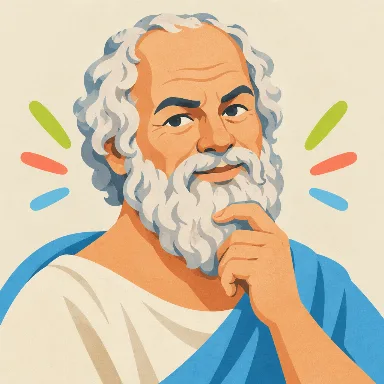
A convincing AI character needs more than a name. It needs a clear identity, a background that explains its knowledge, goals that drive what it asks, a personality that shapes its tone, a distinct speaking style and rules about what it will and will not do.
Debatly's builder asks for each of these fields, which is why characters stay consistent across long conversations instead of drifting back into a generic assistant voice.
Good characters also have opinions. A career coach who prefers bold moves and a financial planner who prefers safety will give you different advice, and that contrast is often more useful than one neutral answer.
How to create your own AI character
Start with one sentence describing who the character is and why someone would talk to them. Then add specifics: years of experience, a signature opinion, a verbal habit. Write two or three rules, for example "always asks one clarifying question before giving advice."
Finish with a greeting that sets the tone. Test the character with a hard question, then adjust the personality or rules until the answers sound right.
Ways to use AI characters
Chat 1:1 with an expert persona to explore a topic, practice a conversation or just have fun. Add characters to a debate so they argue a question from their own point of view. Or put 2 to 5 of them in a group room, where an AI director decides who speaks and they can discuss among themselves.
Popular uses include studying with a historian, rehearsing a pitch with a founder, getting a second perspective from a coach, and building original characters for storytelling and roleplay scenarios.
A note on expert characters
Doctor, lawyer and therapist characters are useful for learning and preparing questions, but they are AI personas. They are not a substitute for a licensed professional. Use them to understand a topic, organize your thoughts and prepare better questions, then take important health, legal or financial decisions to a qualified expert who knows your full situation.